New to Leading: Three Tools for Your First Weeks
Ask about the future instead of the past, let a project fail on paper before it starts, and hand the one-on-one to your team member: three tools you can try on Monday.

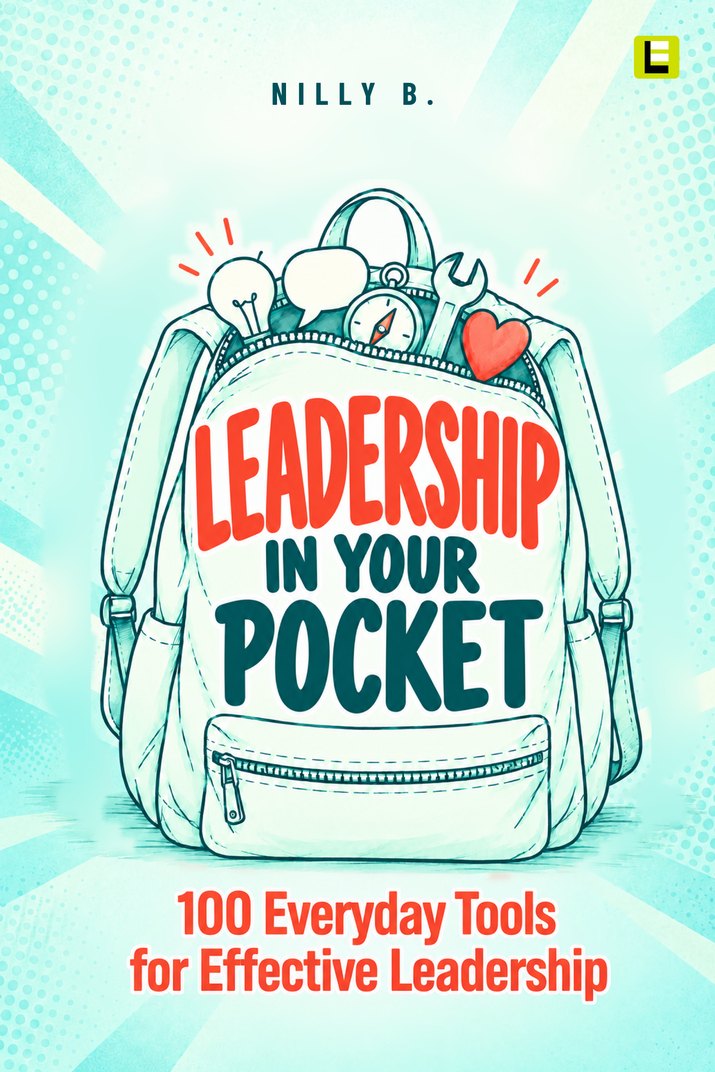
It usually goes like this: you are good at your job, someone asks whether you would like to take over the team, and you say yes. From then on, it is no longer just about your own tasks. It is about people, and hardly anyone is prepared for that. Leadership in Your Pocket by Nilly B. collects 100 tools for exactly this situation. The English edition is in preparation; the German edition, Führung in der Tasche, is already available. Three of the tools work particularly well in your first weeks.
1. Ask about the future
Feedback looks back. But three weeks into a new role, there is little to look back on. So instead of asking "How did I do?", ask "What could I do from now on?".
- Pick one behaviour you want to get better at.
- Over the next two weeks, ask five people for two suggestions each about the future.
- Listen, take notes and only say "thank you".
- Try two of the suggestions over the following month.
2. The pre-mortem
Before a project starts, the team imagines it has already failed and looks for the reasons. This brings objections to the table that nobody would otherwise voice.
- Say: "It is a year from now. It was a disaster. What happened?"
- Everyone spends two minutes writing down possible reasons on their own.
- Going round the room, each person names one reason until all are on the table.
- For the three most likely ones, agree on countermeasures.
3. The one-on-one
The regular one-on-one belongs to your team member, not to you. They bring the topics, you listen and ask questions.
- Agree on a fixed slot with each person: 30 minutes every two weeks.
- Only move it in an emergency.
- Once a month, talk about development and working together instead of projects.
- Write down agreements in two or three sentences.
What comes next
In the book, these tools sit in the chapters on the role change, on making decisions and on understanding people. Every chapter opens with a scene from everyday work and ends with three steps for tomorrow.